Process hazard analysis (PHA)
HAZOP, LOPA, SWIFT, Bow-Tie,... the right methodology for every process and every project phase.
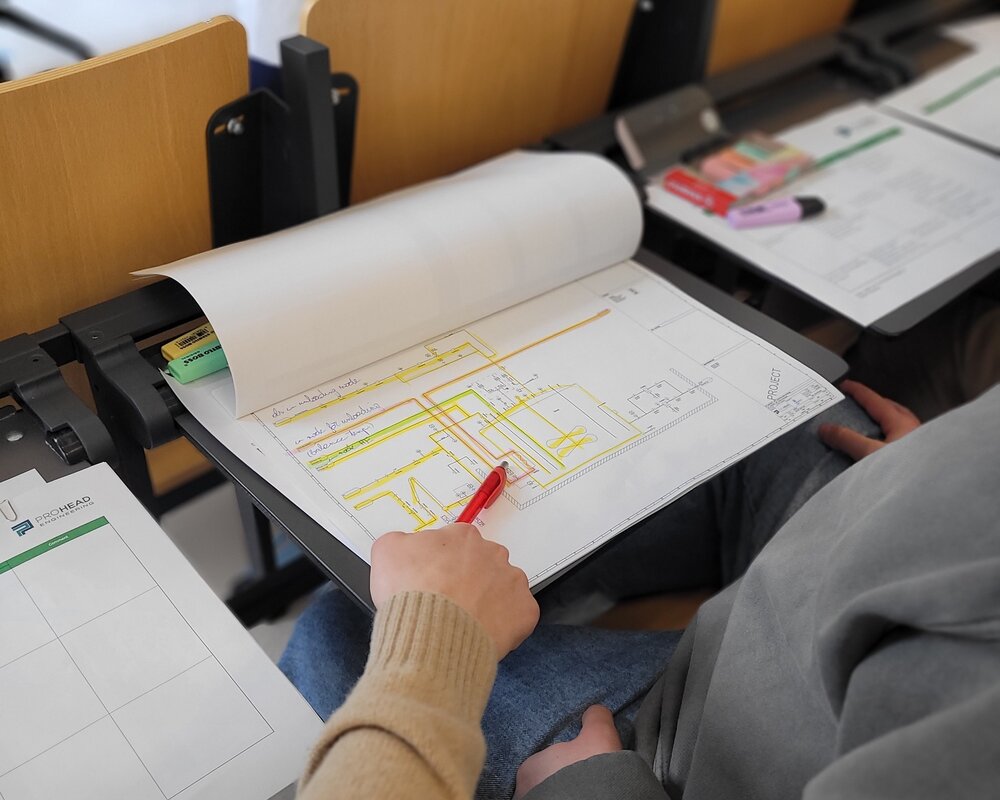
HAZOP: Hazard and Operability Study
A HAZOP study is carried out by an independent HAZOP Leader and a HAZOP Scribe from Prohead Engineering, together with a multidisciplinary team from the client, supplemented where necessary by experts from Prohead Engineering. The method uses guide words for various process parameters, resulting in a list of potential undesirable consequences. This process safety study examines how the prevention of hazardous process deviations is managed and whether the measures taken are sufficient.
HAZOP studies are based on the IEC 61882 standard and are carried out from the basic engineering stage (preliminary HAZOP) as well as on existing installations. Prohead Engineering pays close attention to thorough preparation and reporting to maximise the peace of mind for the client.
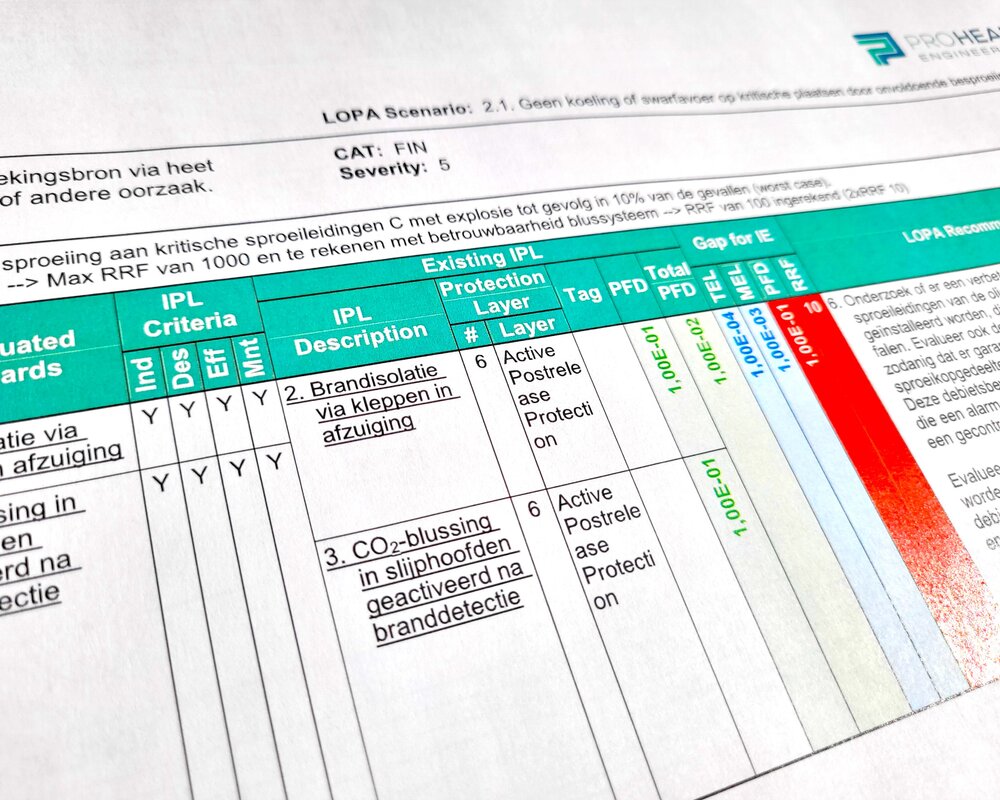
LOPA: Layer of protection analysis
This method is used to assess the risks of process installations and to verify whether the existing protection layers are sufficient. Our LOPA studies are based on the IEC 61511 standard and the guidelines of the CCPS (Center for Chemical Process Safety).
LOPA builds on earlier HAZOP analyses by quantitatively evaluating the remaining (residual) risks. Both the frequency and the severity of potential incidents are analysed, and it is determined whether additional protection layers are needed. Our experts use LOPA to ensure that your installations meet the highest safety standards, or as a starting point for implementing instrumented safety measures with the right SIL level, without over-engineering.
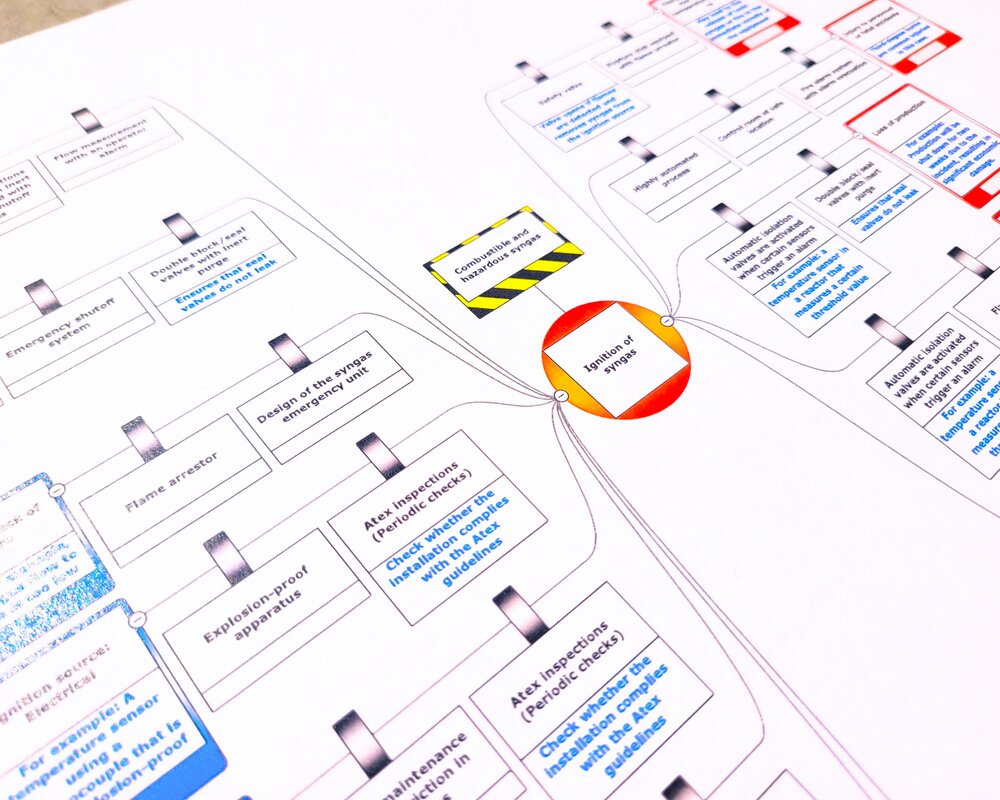
Bow-Tie
At Prohead Engineering, we also offer Bow-Tie analyses, a visual risk management method that helps identify and manage risks in process installations. Bow-Tie combines elements of fault tree and event tree analyses to provide a clear and understandable overview of causes, preventive measures, consequences and recovery measures.
Unlike HAZOP and SWIFT, which focus on identifying and analysing potential hazards and operational problems, Bow-Tie analysis provides a holistic overview of both preventive and recovery measures around a central risk event. This makes it a powerful tool for communicating risk management strategies within your organisation.
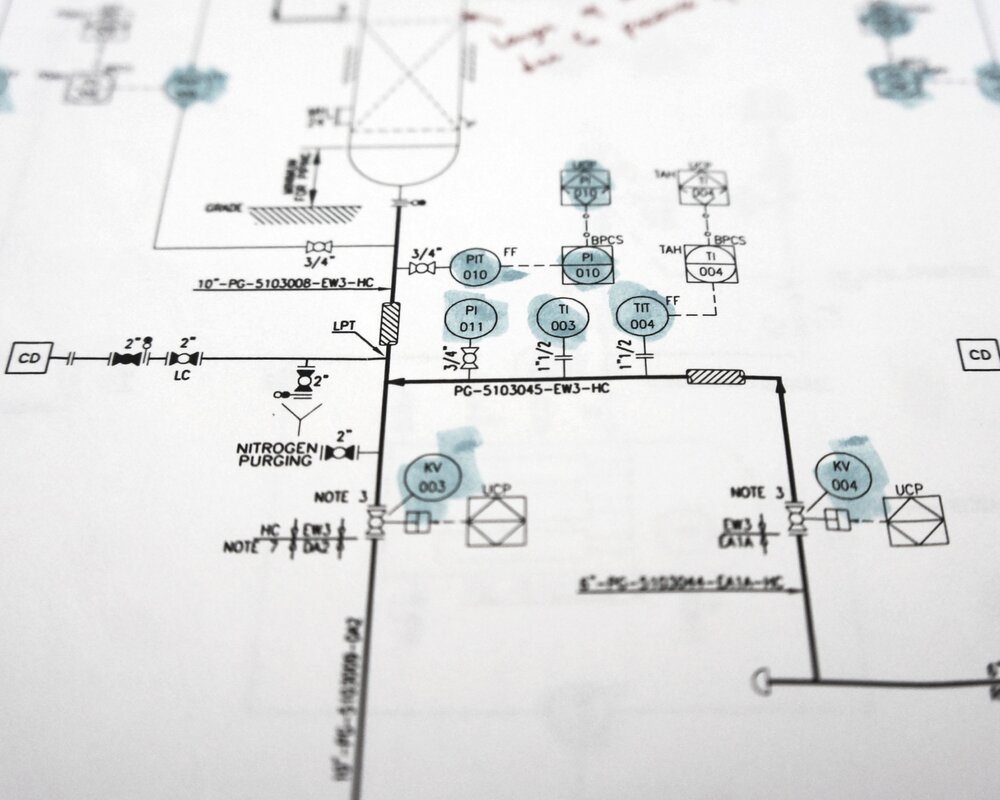
PHA follow-up
PHA follow-up is challenging given the often large number of recommendations. Effective follow-up starts with clear and structured PHA reporting. Prohead Engineering delivers clear, action-oriented reports that you can start working with straight away.
We classify recommendations by risk and discipline, and support you with technical assessments, prioritisation and a central action list. This way you keep the overview, avoid delays and keep the implementation demonstrable and audit-proof.
We turn many recommendations into measures ourselves through our process engineering, functional safety and explosion safety services.