HAZOP/LOPA/SIF support for a high-temperature process installation
Process safety
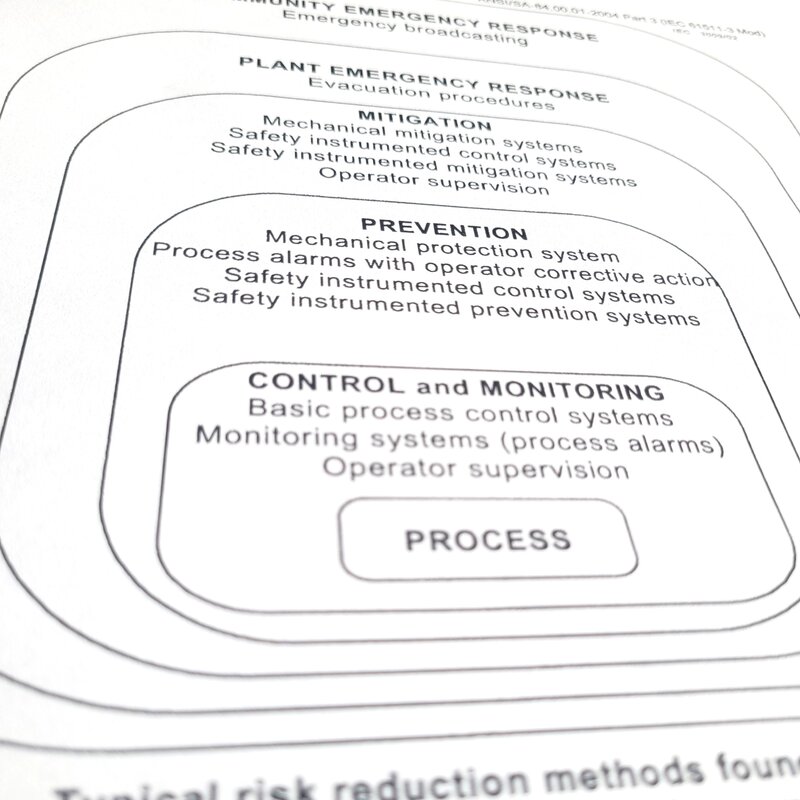
As a service provider, we support companies throughout the entire Safety Life Cycle. Within it, LOPA (Layer of Protection Analysis) is a structured method for translating HAZOP results into a substantiated determination of the required level of risk reduction. On that basis, the necessary Safety Integrity Levels (SIL) for safety functions can be established.
Prohead Engineering can then take care of the further development, verification and validation of these SIL functions within the applied safety philosophy.
About the case
Context:
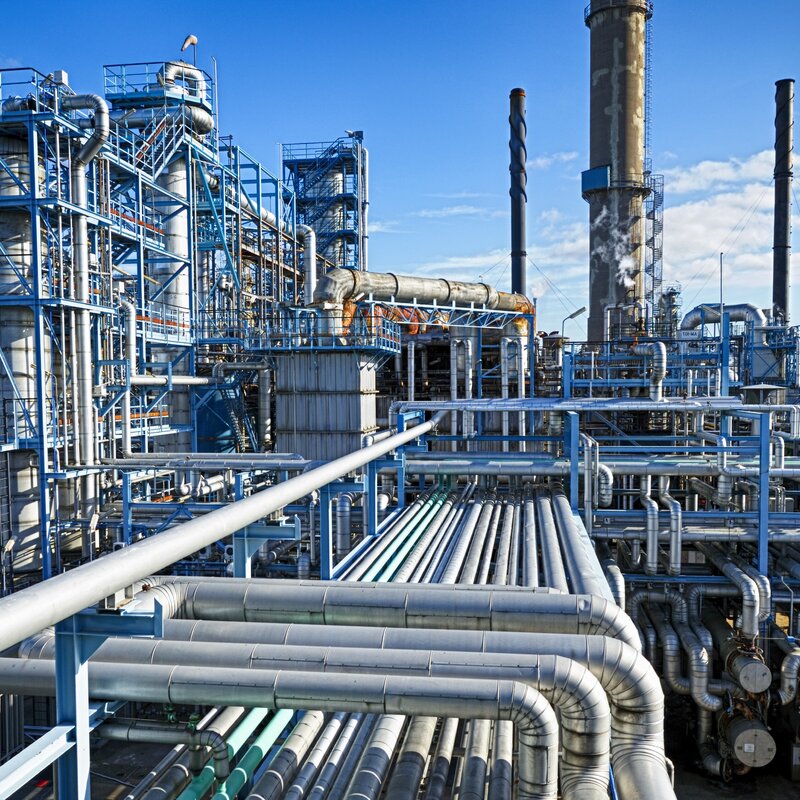
A high-temperature process installation with plasma burners was evaluated for emergency cooling and the safe de-energising of the burners. Due to high thermal inertia and gas flows, there were risks of thermal runaway, material degradation and undesired gas formation. Prohead Engineering was asked to carry out an end-to-end safety assessment and translate it into functional safety.
Approach:
Process safety:
- HAZOP of the cooling and burner chain (No/Low/High Flow, No/Low/High Cooling, Loss of Power, Valve Fails, Gas Accumulation).
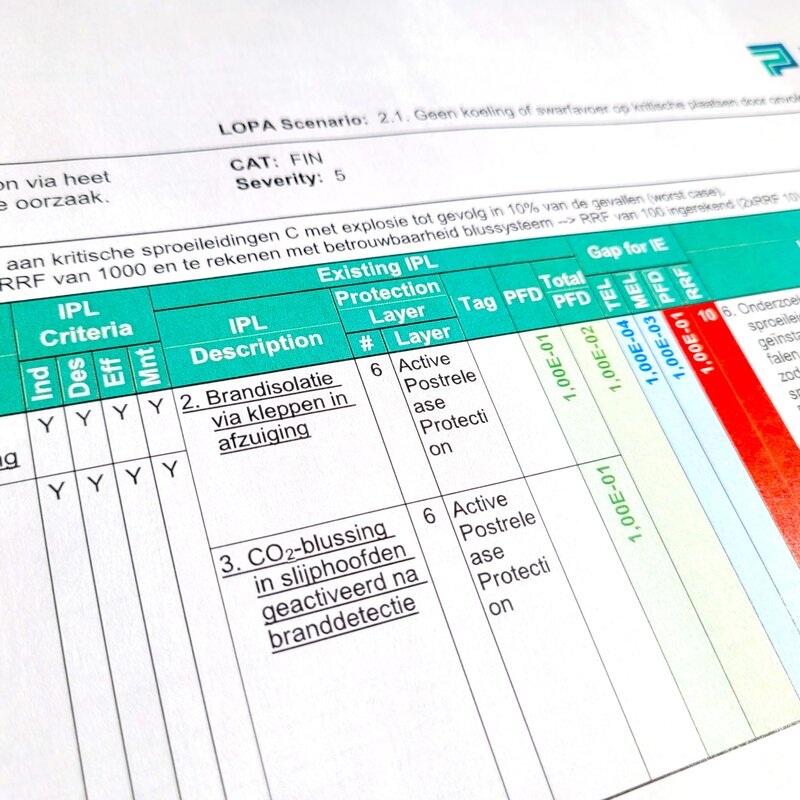
- LOPA for critical scenarios, determining the required risk reduction and independence of protection layers.
- Outcome: additional instrumented safeguards required for, among others, loss of cooling medium, unfavourable valve failure position and black-out.
Functional safety (IEC 61511/61508):
- SRS “Emergency Cooling”: activation criteria, actuators, permissives, bypass management, proof test and reset logic.
- SRS “De-energizing Plasma Burners”: safe shutdown with controlled purge sequences, fail-safe positions and minimum secure time.
- SIL verification (exSILentia): PFDavg, HFT, test intervals and failure data substantiated; core SIFs confirmed at SIL 2.
- FSA across the relevant lifecycle steps (specification → design → verification).
Boundary conditions & compliance:
- ATEX impact on instrumentation/actuators (zoning, External Influences).
- Environmental safeguards via an environmental checklist (emergency venting/cooling routes vs. permit).
- Safety Lifecycle (SLC) established: roles, MoC, proof-test management.
Technical highlights:
- Emergency cooling: set points aligned with process dynamics; interlocks against “cooling shock”; valve times tested and recorded.
- Plasma burners: safe de-energising with purge, interlock on gas/air ratio and temperature; “hot restart” blocked until safe conditions are reached.
- Independence/common cause: galvanic and logical separation of SIS/BPCS; increased diagnostic coverage (DC) to minimise spurious trips.
Deliverables:
- HAZOP report on emergency cooling (with action list & acceptance criteria).
- LOPA report (gap resolution, assigned SIL targets).
- SRS packages: Emergency Cooling & De-energizing Plasma Burners.
- SIL verification reports + FSA minutes.
- Environmental checklist and SLC procedure.
Added value:
The installation has a traceable, audit-ready safety concept: critical SIFs are SIL-verified and operationally testable; emergency cooling and burner shutdown are unambiguously specified with clear permissives and reset procedures; ATEX and environmental requirements are demonstrably safeguarded.