ATEX study with CFD & HVAC engineering for nuclear waste storage
Explosion safety
Prohead Engineering supported a consortium of large engineering firms with specific safety engineering for the storage and monitoring of nuclear waste.
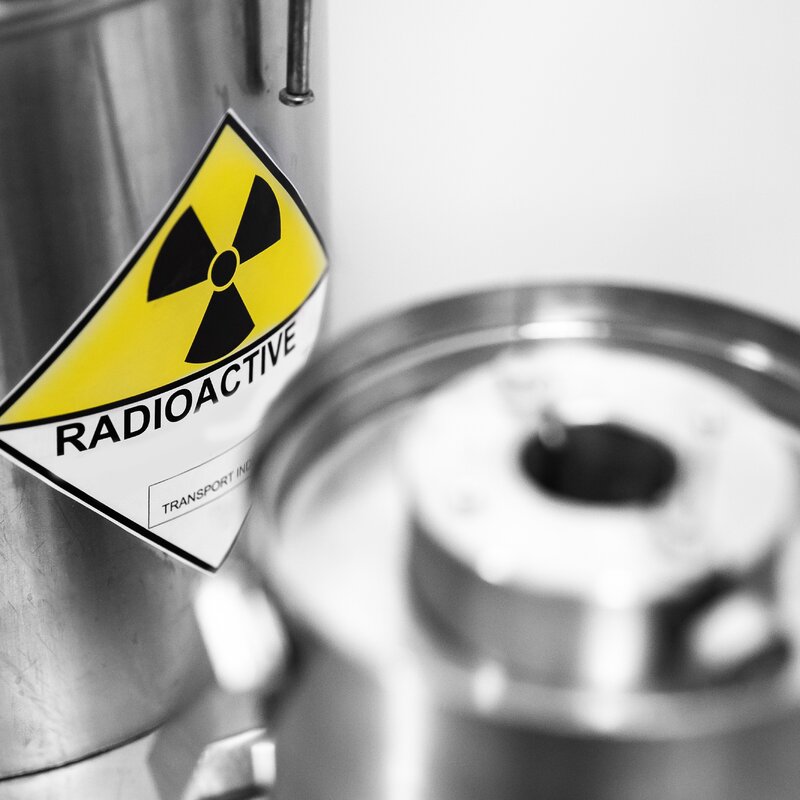
About the case
Context:
At a nuclear site with storage and monitoring buildings for low- and intermediate-level waste, hydrogen gas (H₂) can be generated by radiolysis. Controlling explosion risks required an integrated approach: an ATEX study, CFD analyses and HVAC engineering explicitly aligned with each other.
Approach:
Prohead Engineering carried out an end-to-end project:
- ATEX zoning & EPD input
Systematic risk assessment and zoning in accordance with NBN EN IEC 60079-10-1/-2; specification of detection and alarm levels and their interlocks with ventilation and electrical equipment. - CFD analyses (H₂ accumulation)
Simulation of representative leaks, ventilation configurations and stagnation zones. The results served as the design basis for air flow rates, the positioning of supply/extraction and the avoidance of dead zones. - HVAC engineering driven by explosion safety
Functional requirements (FRS HVAC), interlock and alarm lists, IO links with the process PLC. Fail-safe philosophy: automatic ramp-up of ventilation on detection trips, controlled shutdown of non-Ex equipment in hazardous areas, and guaranteed safe states on loss of power. - Tender frameworks & execution
Specification texts for hazardous and non-hazardous areas, cost estimates, tagging/asset lists and “design for tendering” to ensure unambiguous execution and later audits.
Result:
- Zoning plans with explanatory notes (EPD-ready).
- CFD notes with design scenarios and limit values.
- HVAC specifications (FRS, interlock/alarm lists, IO lists) and tender file.
The site now has an audit-ready ATEX file with a computationally substantiated ventilation and detection strategy, effectively preventing H₂ accumulation and making legal compliance demonstrable.