HAZOP (Hazard and Operability Study) — what, why and how?
Process safety
HAZOP is the standard method for systematically identifying process hazards and operability problems before commissioning or modification. A strong HAZOP stands or falls with good preparation, up-to-date documentation and a dedicated, experienced team.
What is HAZOP?
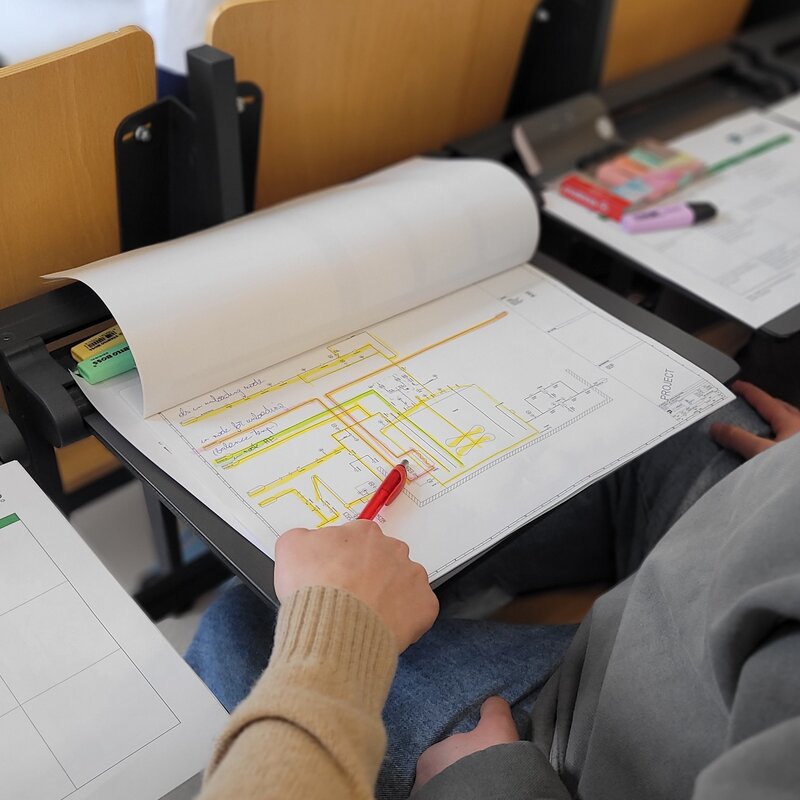
A Hazard and Operability Study is a structured, team-based analysis. Using fixed guidewords (such as more, less, no and reverse), the team examines possible deviations per node, their causes and consequences, the safeguards in place and the actions required. The aim is to demonstrate that the design and operation are safe and operable, and to record which modifications are required.
SEVESO III Directive:
In upper-tier SEVESO establishments, HAZOP is part of the safety management system and the safety report under SEVESO III (2012/18/EU). In practice, this means periodic revisions (typically every five years) and reassessments after significant changes, with demonstrable follow-up of all actions.
Preliminary HAZOP (iterative during basic engineering):
In addition to the detailed or plant HAZOP, there are preliminary HAZOPs that you carry out during basic engineering as a design basis. Recommendations from such a Pre-HAZOP are incorporated into the design and then reviewed again in a subsequent Pre-HAZOP. This iterative loop continues until the concept converges towards the most inherently safe design possible; the detailed HAZOP on the final P&ID set follows after that.
Success = preparation:
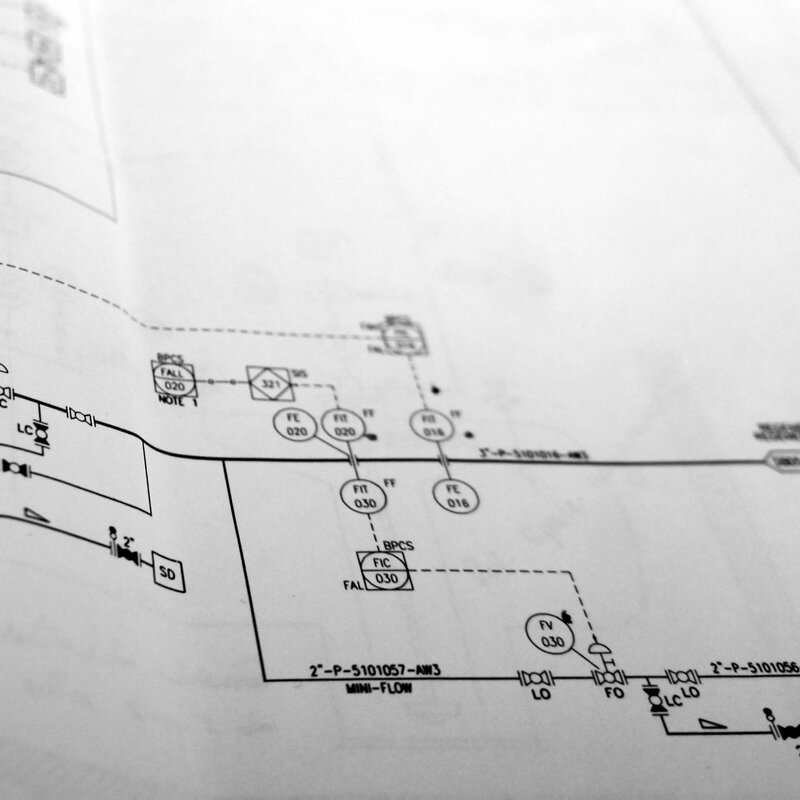
A strong HAZOP starts well before the first session. Ensure a complete, consistent and up-to-date data package: P&IDs with the correct revision, confirmed as-built, uniform tagging and consistent symbols and piping specifications, including valve positions, fail states, relevant interlocks and relief devices. Define nodes and boundaries clearly (from/to), including bypasses, drains and vents, utilities and interfaces between units. Record the process data for normal operation, start-up and shutdown, supplemented with relevant fluid properties and, where applicable, batch or campaign steps. Draw up an overview of safeguards (inherent design, alarms and BPCS actions, physical and active safeguards, emergency pressure relief and fire/gas provisions) and note setpoints and trips where needed. Keep Cause & Effect and interlock matrices up to date and traceable to tags and P&IDs, with a clear distinction between alarm and trip. Gather supporting documents such as PFDs, instrument and valve lists, (emergency) procedures, HAZID/MOC history and relevant layouts. For non-preliminary HAZOPs, this also includes a site walk-through (P&ID walkdown) to verify the as-built situation, check tag consistency in the field and see things you cannot get from documents, such as safe vent locations, the proximity of installations outside the scope and the accessibility of actuators. Finally, formally lay down the rules for risk ranking and for the selection and scoping of LOPA scenarios in the PHA procedure.
Working method:
The approach starts with a kick-off in which the objective, boundaries, guidewords, risk ranking and planning are confirmed. The team then analyses the deviations, causes and consequences per node, assesses the safeguards in place and determines the residual risk and the actions required, with an owner, priority and deadline. After the sessions, a consolidation follows in which interfaces and emergency scenarios are checked for consistency and actions are validated for feasibility. The results lead to a final HAZOP report, a traceable action list and the necessary updates to P&IDs, procedures and cause & effect.
Roles and quality assurance:
A good HAZOP team consists of an independent facilitator and scribe, supplemented by representatives from process and operations, E&I/automation, mechanical, maintenance and HSE/PSM, possibly with the contractor or OEM. Session quality increases with tight facilitation, timely pre-reads, live logging with unique action IDs, immediate P&ID updates and a clear definition of “done” for each action. To embed it in the organisation, HAZOP outcomes are linked to MOC and included in the periodic SEVESO review, so that changes always remain traceable to the HAZOP decisions.
Link with LOPA and functional safety:
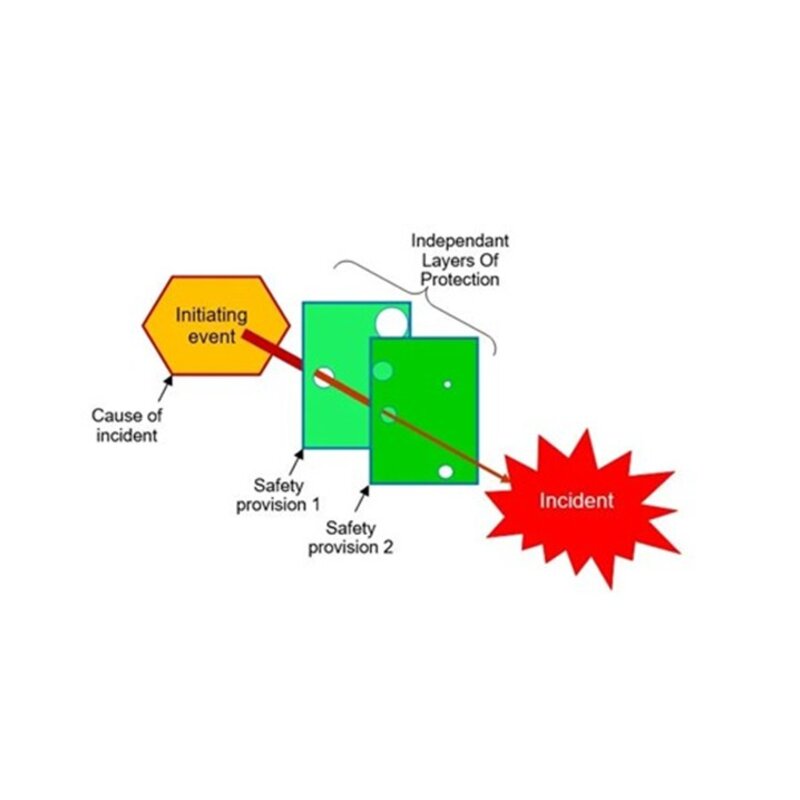
HAZOP provides the scenarios with which you use LOPA to determine the need for additional protection layers and any Safety Instrumented Functions (SIFs) with the required Safety Integrity Level (SIL). This creates a closed chain: HAZOP → LOPA → SRS/design/validation.
Deliverables:
The deliverables are a HAZOP report with scope, method, participants and decisions; an action list with owner, priority and deadline; updated P&IDs, procedures and cause & effect matrices; and an overview of candidate LOPAs, SIFs and SIL requirements, possibly supplemented with alarm rationalisation.
How we help: Prohead Engineering prepares nodes and documentation with your team, facilitates the HAZOP sessions (chair and scribe) with professional tooling and delivers a clear report with actionable recommendations. Where needed, we translate the results into LOPA and SIF/SIL specifications and support implementation.