Document structure of the EPD – manageable, evolving and ready for inspection
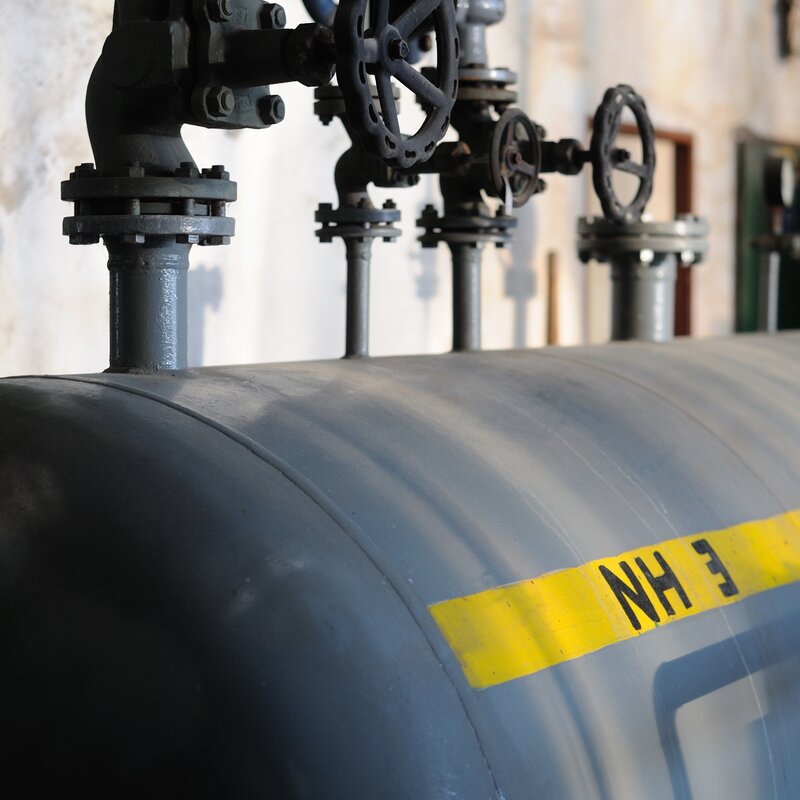
Explosion safety
With a two-part Explosion Protection Document (EPD) – a General EPD and a Specific EPD – we turn explosion safety into an evolving working document. It supports design and engineering, simplifies Management of Change (MoC) and speeds up inspection by the accredited inspection body.
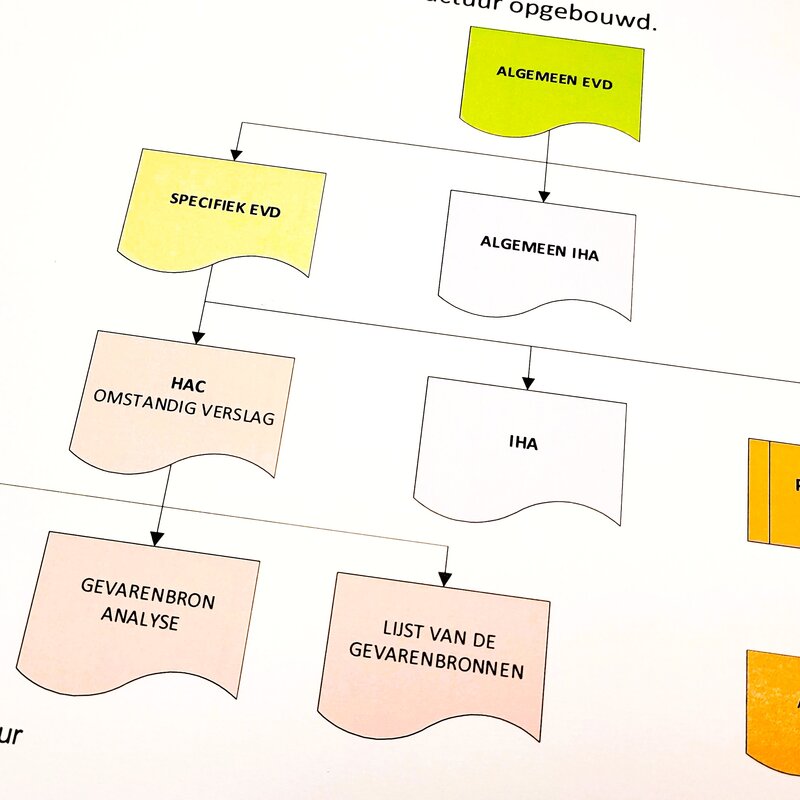
General EPD:
The General EPD brings together everything that applies site-wide: the context of the plant, roles and responsibilities, methodology and legal framework, procedures (work permits, hot work, housekeeping), maintenance and inspection, and the basic principles of zoning. This part changes little and serves as a fixed frame of reference for design, tendering and operation. It also contains the general IHA framework and an overarching plan of approach with an action list.
Specific EPD:
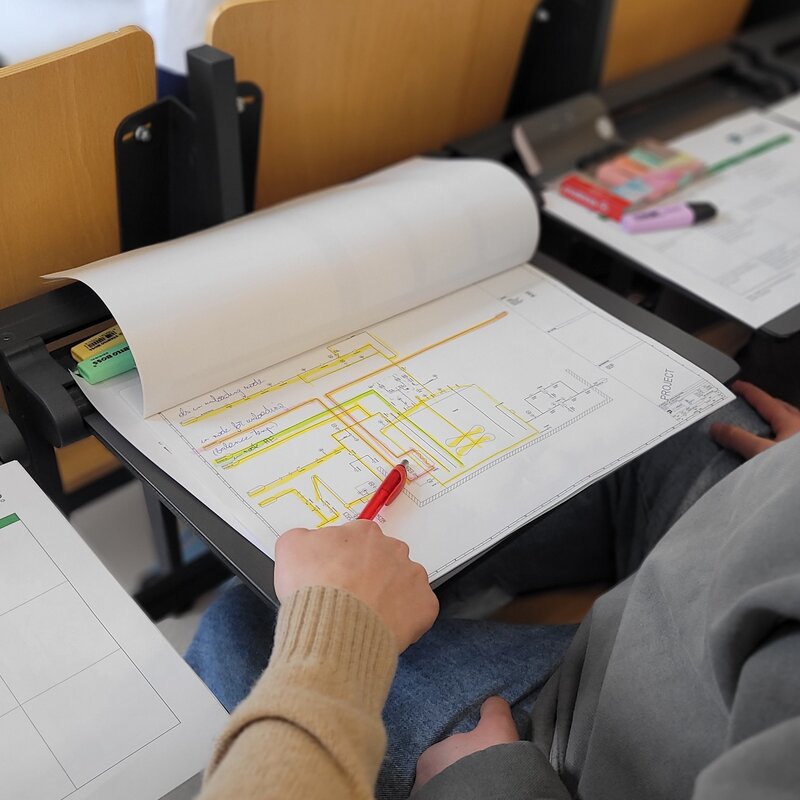
For each installation or area with an explosion risk, there is a Specific EPD with the zone-specific analyses and risk studies: the detailed HAC report (hazardous area classification), the zone classification and the technical annexes (zoning drawings, analysis and list of sources of release, and any IHA per location).
This makes MoC simple: if one zone changes (e.g. a new ventilation concept, an extra tank, a modified product flow), we only update the relevant Specific EPD and the associated drawings and lists. The General EPD remains untouched. This keeps the file manageable, up to date and traceable.
Why this supports design and engineering:
During basic/detailed engineering, the team refers to the General EPD for principles (zoning, external influences, standards such as NBN EN IEC 60079, NPR 7910 or API RP 505/500) and to the Specific EPD for the concrete boundaries, drawings and sources of release. New projects simply get a new Specific EPD; retrofits update the existing specific part. The plan of approach and the action list steer implementation and follow-up.
Why this speeds up inspection by the accredited inspection body:
The inspector does not need to initial the entire EPD. The General EPD remains the reference; for the inspection of a zone, the accredited inspection body finds in the Specific EPD exactly the documents that do need to be signed: the detailed HAC report, zoning drawings with an initialling block and the lists of sources of release. Clear coding, cross-references and revision control show immediately what has changed and why. This leads to a targeted assessment, fewer iterations and a faster, clearer inspection process.
In summary:
- General EPD: a stable site framework, procedures and legal frame of reference.
- Specific EPD: the analyses, HAC, zoning and annexes per zone/installation.
- MoC: only update the relevant specific part when changes are made.
- Design/engineering: directly usable without shopping around for standards
- Inspection: the accredited inspection body signs exactly what is needed and finds it quickly.